Stillwell Audio dynamics

Dynamics and Compression Plugins

Dynamics processing is not one job. Start with what needs to change — how the level moves over time, the shape of a single hit, or the peaks at the output — then choose the tool built for that job.

Start with the job, not the processor name

When the level movement — and the way the processor responds to it — is part of the sound you want, use a compressor. Bombardier, Major Tom, and The Rocket approach that work from different directions.

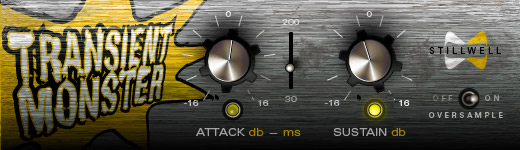
When envelope shape — attack, sustain, or the contour of individual events — is the problem, use an envelope or transient tool. Dyno and Transient Monster give two different levels of control over that shape.

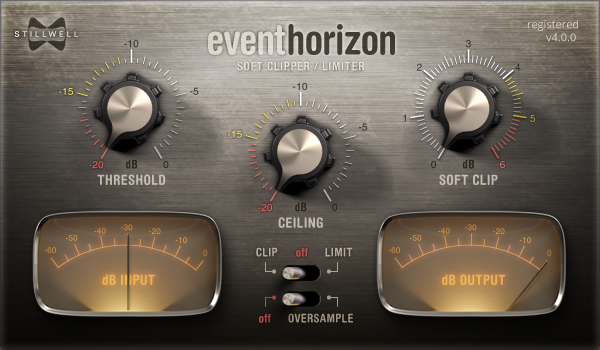
When the job is peak control or limiting rather than conventional compression, use Event Horizon. It belongs in the dynamics category, but it answers a different question.

Workflows and use cases

Compression for tracks and mix buses

Across bass and room-mic tracks, vocal stems, drum groups, and the mix bus itself, listen for whether the source needs steadier cohesion, audible rhythmic movement, or very fast grab. Those concrete goals make the comparison below useful.
Reshaping attack, body, and sustain

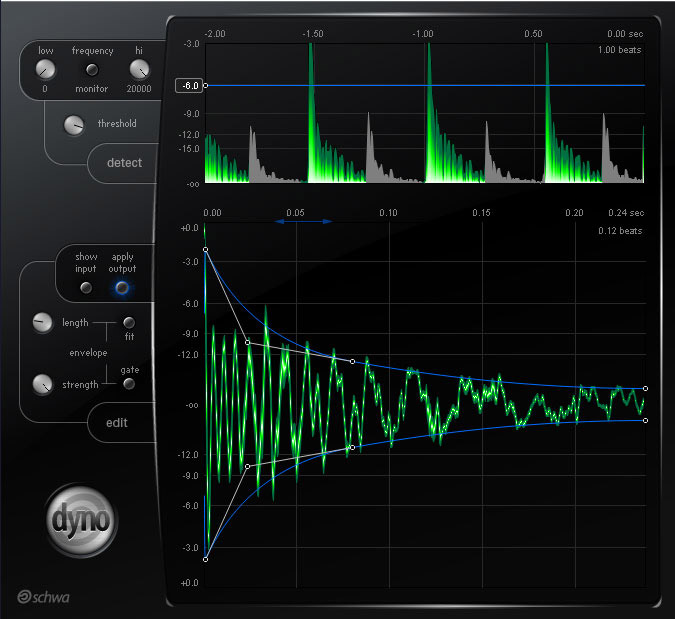
On snares, cymbals, drum buses, or bass, decide whether you need detailed threshold-and-curve editing or direct control over attack and sustain. Dyno gives you threshold-driven curves; Transient Monster keeps the decision to two controls: attack and sustain.

Containing peaks and setting the ceiling

At the mix or final output stage, consider Event Horizon when stray peaks need containment or when the job is raising level from threshold into a fixed ceiling — without asking a compressor to do a limiter's work.

Product comparisons

Bombardier, Major Tom, or The Rocket?

These three compressors overlap enough to compare, but their control philosophies and intended behavior are not interchangeable.

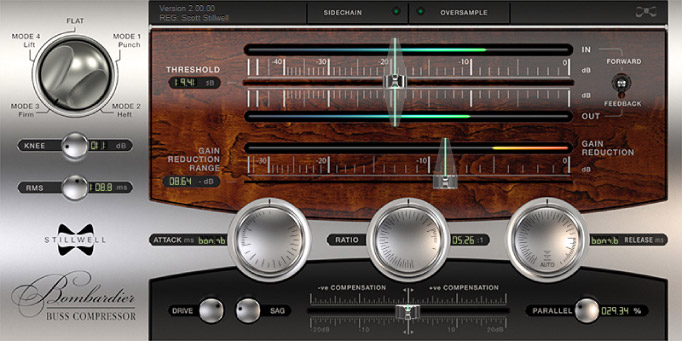
  • Bombardier Bombardier is the bus-oriented option — RMS detection and a broad control set, tuned for smooth cohesion but capable of more assertive behavior.
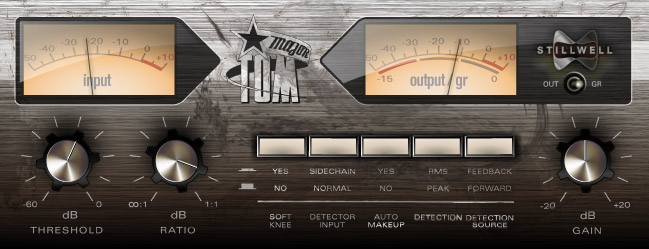
  • Major Tom Major Tom drops fixed attack and release controls in favor of program-dependent behavior that can move from smoothing to rhythmic pumping.
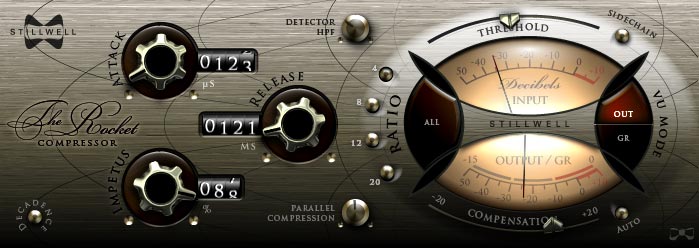
  • The Rocket The Rocket is the character option built around speed, for when grab, punch, and attitude are central to the result.

Dyno or Transient Monster?

Both reshape dynamics without requiring a conventional compressor workflow, but they offer different levels of detail.

  • Dyno Dyno uses threshold detection and editable curves when you want detailed control over how selected parts of the envelope are reshaped.
  • Transient Monster Transient Monster keeps the decision direct: adjust attack and sustain when the hit needs more or less snap, body, ring, or decay.

Where Event Horizon fits

Event Horizon is not the fourth answer to the compressor comparison. It is the peak-control and limiting choice when threshold, ceiling, and clipping behavior are the decisions that matter.

Event Horizon: Reach for it when the question is peak management or final-stage level — not compressor movement or envelope shaping.

Selection criteria

  • Identify whether the problem is level movement, envelope shape, or peak control.
  • Decide whether the processor belongs on an individual track, a subgroup, the mix bus, or the final output stage.
  • Choose between envelope controls (direct or detailed), program-dependent behavior, conventional compression controls, or dedicated threshold-and-ceiling peak control.
  • Determine how much transparency, coloration, movement, or aggression should be part of the result.
  • Match the amount of control to the speed of the workflow: immediate decisions and detailed shaping are different jobs.

Supporting inventory

Dynamics products

6 plugins